Formula One Belgium Grand Prix 2026: Tactical Preview and Track Insights
The historic Circuit de Spa-Francorchamps welcomes back the Formula One grid for the 2026 Belgium Grand Prix. Positioned as a defining event on the racing calendar, Spa-Francorchamps presents the ultimate test of aerodynamic efficiency, mechanical grip, and driver bravery. As teams transition into the critical middle phase of the season, the high-speed Ardennes circuit forces engineers into severe compromises regarding car setup, while unpredictable weather infrastructure always stands ready to disrupt the finest simulation strategies.
Technical Challenges of Circuit de Spa-Francorchamps
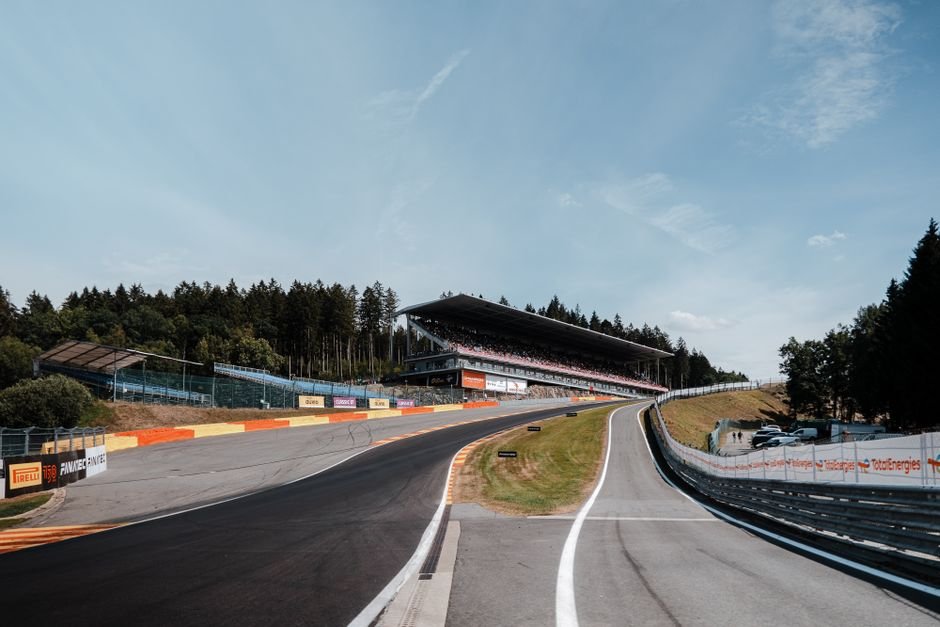
Spanning 7.004 kilometers, Spa-Francorchamps is the longest circuit of the championship, a characteristic that drastically alters energy deployment strategies for the hybrid power units. The circuit demands a unique aerodynamic compromise. Sector one and sector three are heavily defined by long, wide-open throttle sections. The stretch from La Source, through the legendary uphill compression of Eau Rouge and Raidillon, and down the Kemmel Straight requires minimal aerodynamic drag to achieve maximum terminal velocity.
Conversely, sector two presents a dense sequence of technical, medium-to-high-speed corners, including Les Combes, Pouhon, and Fagnes. Here, a high-downforce configuration is paramount to prevent the car from sliding, which overheats the Pirelli tyre compounds. Teams must choose between a low-drag setup that maximizes overtaking opportunities on the straights or a high-downforce configuration that secures lap time through the winding mid-section of the lap.
Team Strategies and Driver Dynamics
Red Bull Racing and the Efficiency Benchmark
Max Verstappen enters the weekend with a historically formidable record at this venue. The vehicle concepts designed by Red Bull Racing have traditionally excelled in aerodynamic efficiency, minimizing drag while maintaining exceptional floor-generated downforce. For Max Verstappen, the primary goal will be exploiting the stability of his machinery through the high-speed directional changes of sector two, while relying on Honda power unit deployment to defend or attack along the Kemmel Straight.
Scuderia Ferrari and High-Speed Equilibrium
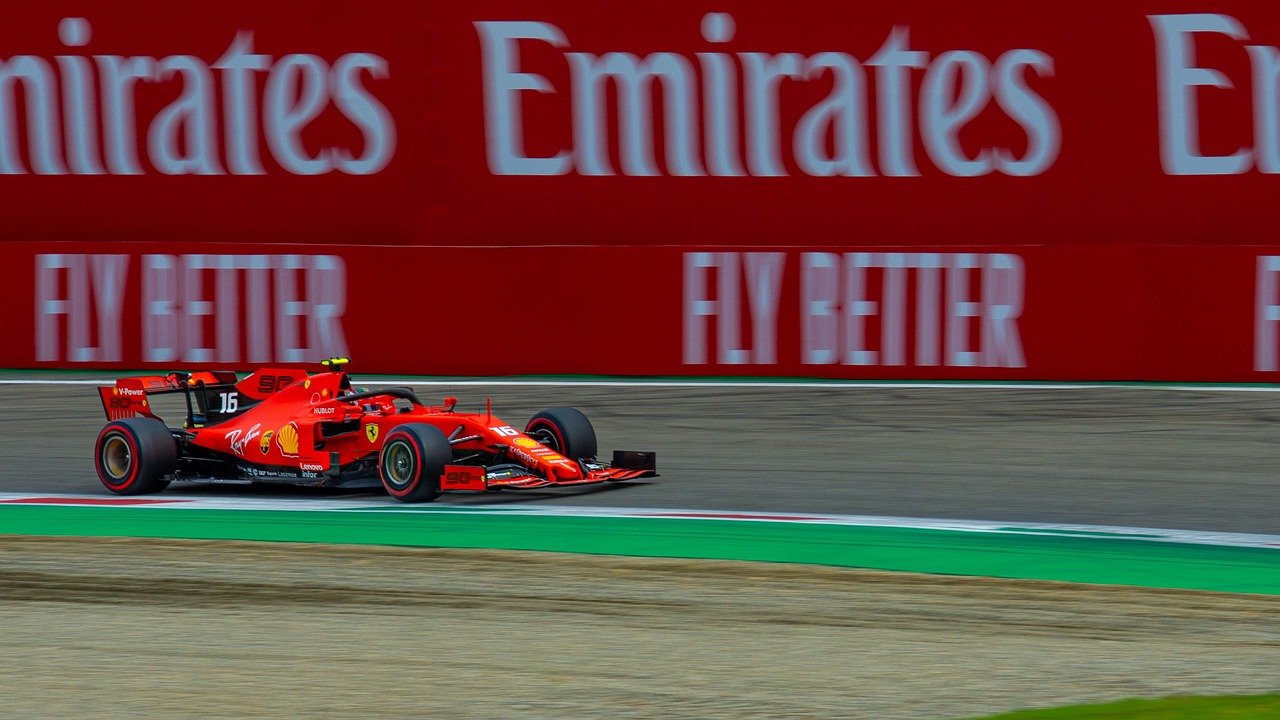
Scuderia Ferrari approaches the Belgium Grand Prix seeking to maximize the mechanical compliance of their suspension geometry. Charles Leclerc has historically demonstrated elite qualifying capabilities across the sweeping sectors of Spa. The challenge for Charles Leclerc remains tyre management during prolonged lateral loading cycles, particularly through the long left-hander at Pouhon.
Teammate Lewis Hamilton provides Scuderia Ferrari with an unparalleled depth of tactical experience in changing weather scenarios. Given that track temperatures in the Ardennes can fluctuate by over ten degrees Celsius within an hour, the capacity of Lewis Hamilton to manage tyre operating windows during critical transition phases will serve as a foundational pillar for Ferrari’s race strategy.
McLaren and Mercedes in the Development Race
The technical trajectory of McLaren has shifted the balance of power within the upper tiers of the midfield and frontrunners. Lando Norris remains a potent threat on circuits that reward high-speed aerodynamic stability. The engineering staff at McLaren will look to optimize their front-wing configurations to ensure crisp turn-in performance without sacrificing the top-speed requirements needed to withstand pressure from behind.
Concurrently, Mercedes continues to refine its platform. George Russell has repeatedly demonstrated that tactical aggression during wet-to-dry transitions can yield substantial rewards at Spa. The team will focus heavily on eliminating any residual high-speed bouncing, or porpoising, during the high-compression phase at the bottom of Eau Rouge, ensuring that George Russell can carry maximum momentum into the DRS zone that follows.
Official Session Times for the 2026 Belgium Grand Prix
To assist fans and trackside analysts globally, all sessions are listed below in Greenwich Mean Time (GMT). Please adjust for local daylight saving variations where applicable.
| Session | Date | GMT Time |
| Free Practice 1 | Friday 17 July 2026 | 11:30 – 12:30 |
| Free Practice 2 | Friday 17 July 2026 | 15:00 – 16:00 |
| Free Practice 3 | Saturday 18 July 2026 | 10:30 – 11:30 |
| Qualifying | Saturday 18 July 2026 | 14:00 – 15:00 |
| Grand Prix | Sunday 19 July 2026 | 13:00 |
Strategic Keys to Victory
The Threat of Microclimates
The vast physical footprint of Spa-Francorchamps introduces a variable rarely seen elsewhere: localized weather. It is common for heavy rain to saturate the asphalt at the Bus Stop chicane while the pit straight and the entry to Les Combes remain entirely dry. Strategists on the pit wall must combine real-time driver feedback from Max Verstappen, Charles Leclerc, and Lewis Hamilton with advanced radar telemetry to execute pit stops for Intermediate or Wet tyres at the exact moment the crossover threshold occurs.
Overtaking and DRS Management
The Kemmel Straight represents one of the most effective DRS overtaking zones in motorsport. However, securing pole position during Saturday qualifying does not guarantee safety on lap one. Leading cars are highly vulnerable to the slipstream effect on the opening lap. Drivers like Lando Norris and George Russell will recognize that positioning their cars correctly through the opening corner of La Source is vital to either executing a slipstream pass or breaking the tow before entering the high-speed sections.
Ultimately, the 2026 edition of the Belgium Grand Prix promises an intricate display of mechanical resilience, driver precision, and real-time operational decisions. The team that successfully navigates the fine line between straight-line velocity and cornering grip will stand on the top step of the podium on Sunday afternoon.